


Do I Need to Tune My Truck After a DPF/EGR Delete?
YES
Tuning your truck before and after a DPF delete kit installation is crucial to ensure your engine runs smoothly and efficiently. When you remove the Diesel Particulate Filter (DPF), your truck's ECU (Engine Control Unit) still operates as if the DPF is in place. This misalignment can cause error codes, reduced performance, and even limp mode in some cases.
⚠️ Important: Tune First — Before Touching Any Emissions Components
The vehicle must be properly tuned and verified to have no fault codes before removing or modifying any emissions components. Skipping this step can damage the ECM and may void the warranty. Your truck must always be tuned before any delete work begins.
What Does It Mean to Tune and Delete a Truck?
Tuning and deleting refer to removing emissions control components like the DPF (Diesel Particulate Filter) and reprogramming the truck's ECU (Engine Control Unit). Without tuning, your truck will throw error codes because it expects the DPF to still be there. Tuning adjusts the ECU to run properly without these emissions systems. By recalibrating the fuel delivery, timing, and exhaust, your truck runs smoother and may gain improved fuel economy and horsepower.
Why Is Tuning Essential After a DPF Delete Kit?
After removing the DPF, your truck's ECU is still trying to manage emissions that no longer exist. This mismatch can cause multiple issues, such as:
- Error codes and check engine lights popping up.
- Poor fuel efficiency due to the ECU's attempt to regenerate the DPF.
- Reduced engine performance or even entering limp mode.
A proper DPF delete tune ensures your ECU operates smoothly with the new setup, improving power, throttle response, and overall efficiency.
What Products Can Help with a DPF Delete and Tune?
At TunerDepot, we offer various products designed to make your DPF delete process seamless and optimized:
 Mini Maxx V2 Delete Tuner
Recalibrates your ECU for peak performance post-delete. Works perfectly with DPF, EGR, and DEF delete setups.
- Full DPF, EGR, & DEF delete support.
- Eliminates check engine lights after delete.
- Easy plug-and-play installation.
- Improves throttle response and fuel economy.
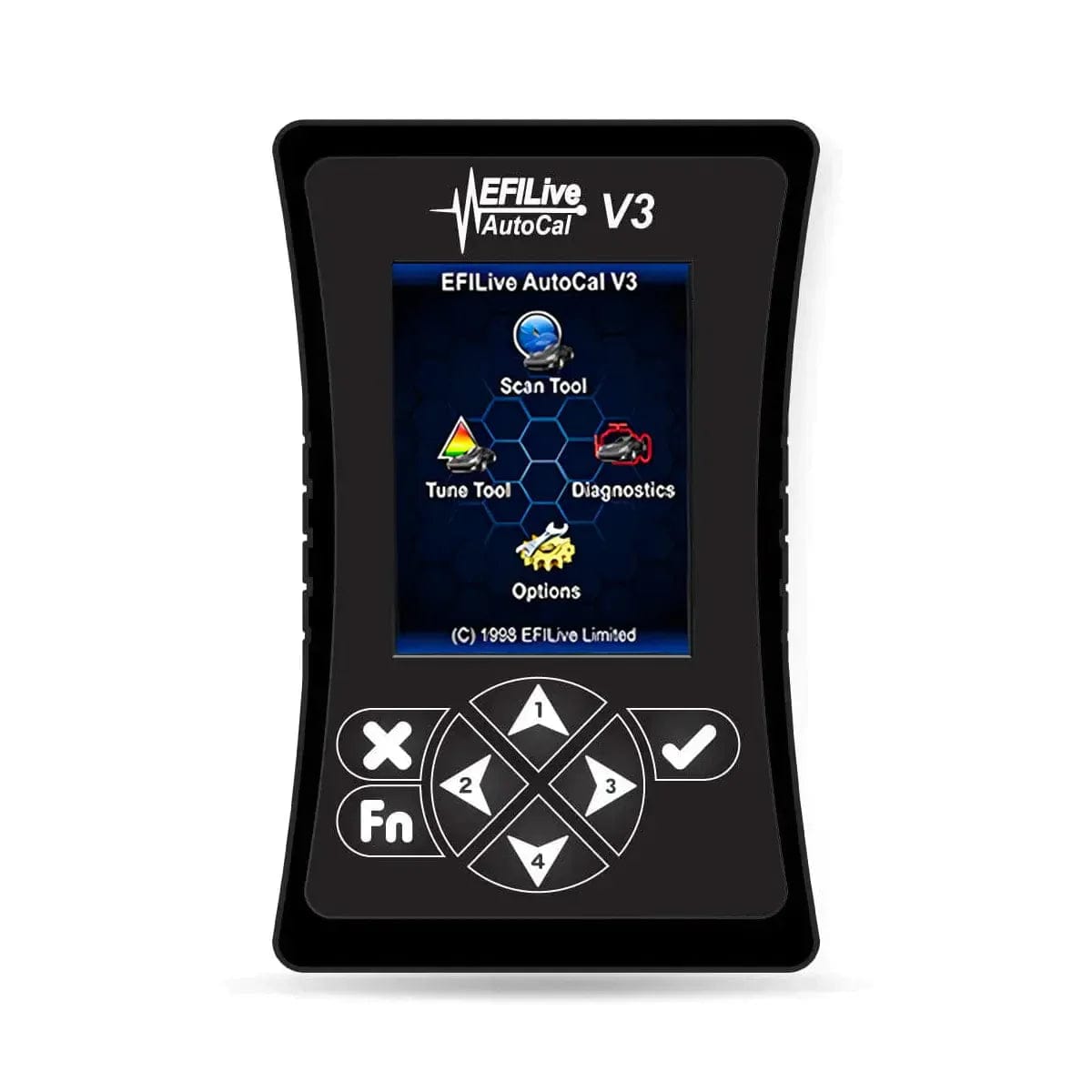 EFI Live AutoCal V3
Ideal for Cummins and Duramax trucks, offering custom delete tuning options for smooth operation.
- Custom delete tuning for Cummins & Duramax.
- Advanced ECU recalibration post-delete.
- Supports multiple tune files on one device.
- Trusted by professional diesel tuners nationwide.
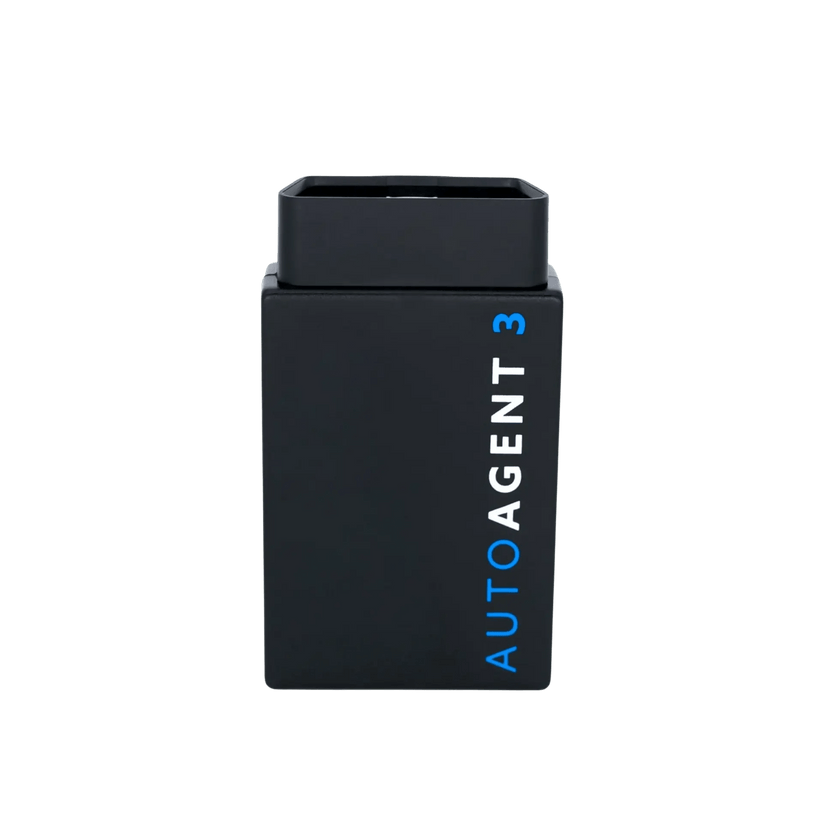 EZ LYNK Auto Agent 3
A powerfule upgrade over the Auto Agent 2, designed to provide full and advanced diagnostics for your diesel vehicle.
- Full vehicle diagnostics and fault code clearing.
- Remote tuning capability via mobile app.
- Supports DPF, DEF, & EGR delete configurations.
- Works across a wide range of diesel makes and models.
FAQs: Commons Questions About DPF Delete and Tuning
What does it mean to tune and delete a diesel?
What does a DPF delete do?
Can you delete a truck without tuning it?
For further guidance, explore our wide selection of delete kits, tuners, and performance parts to find the best fit for your truck. Click the phone number at the top of the page to reach our team for expert advice on selecting the right products to get the most out of your vehicle.